
Celebrity Endorsement Strategy: How Brands Choose the Right Brand Ambassador
Keywords: celebrity endorsement strategy, brand ambassadors, celebrity marketing
A brand that has a face often becomes unforgettable. And when that face belongs to a well-known celebrity, the aspirational value associated with them amplifies the brand’s recall even further. Celebrity associations allow brands to move beyond functional benefits and tap into emotion, trust, and desire — elements that play a decisive role in consumer behaviour.
In culturally driven markets like India, celebrity endorsements don’t just influence purchase decisions; they shape perception.
Why Celebrity Endorsements Continue to Work
Celebrities command attention, influence pop culture, and often reflect the aspirations of their audience. When consumers admire a celebrity, the positive sentiment naturally transfers to the brand they endorse. This is why brand ambassadors remain a powerful tool in long-term brand building, not just short-term visibility.
However, effective celebrity marketing is not about popularity alone. It’s about alignment.
When the Fit Feels Natural: Strong Celebrity-Brand Associations
Some celebrity endorsements work because they feel intuitive and culturally aligned. For instance, Nykaa strengthening its beauty-first, credibility-led positioning with Deepika Padukone felt like a natural progression — her association with elegance, consistency, and trust mirrors the brand’s evolution.

Similarly, Virat Kohli’s long-standing partnerships with fitness and lifestyle brands work because they reflect his real-life persona, discipline, and commitment to performance.
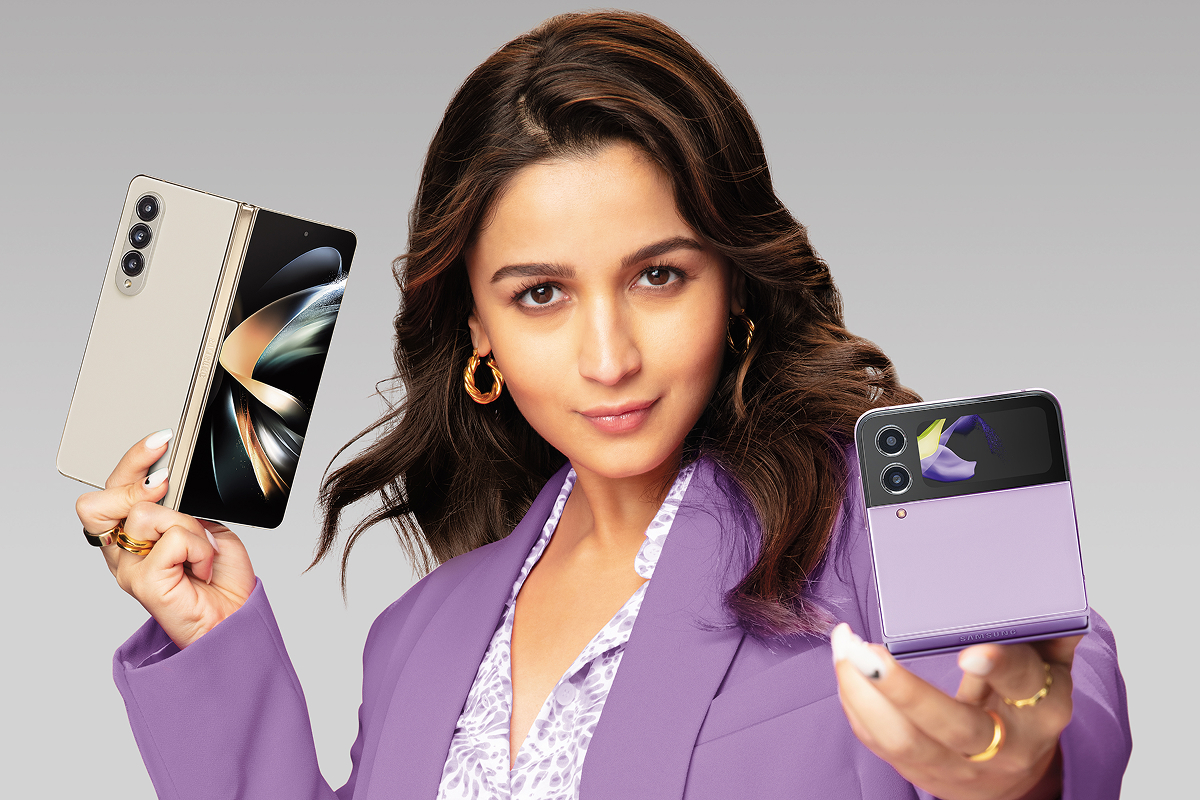
Alia Bhatt’s association with youthful, modern, and sustainability-forward brands resonates strongly with younger audiences who see her as relatable yet aspirational.
Mass brands often benefit from familiarity and warmth. Shah Rukh Khan’s endorsements have historically worked across categories because of his pan-India appeal, emotional connect, and trust factor. In contrast, regional brands often leverage local stars to create deeper cultural relevance and stronger market penetration.
What ties all these examples together is not fame, but fit.
Different Objectives, Different Endorsement Strategies
A well-planned celebrity endorsement strategy depends on what the brand wants to achieve. Some associations are built for longevity, while others are designed for specific moments.
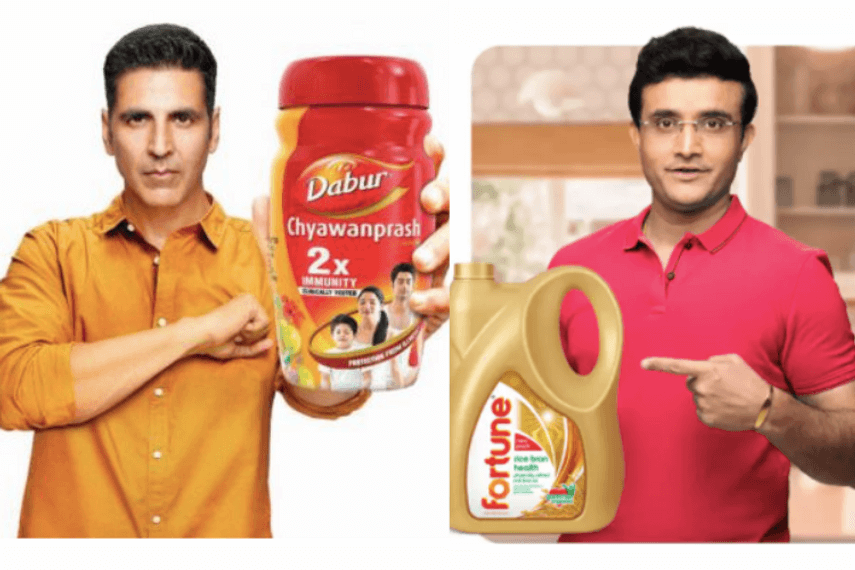
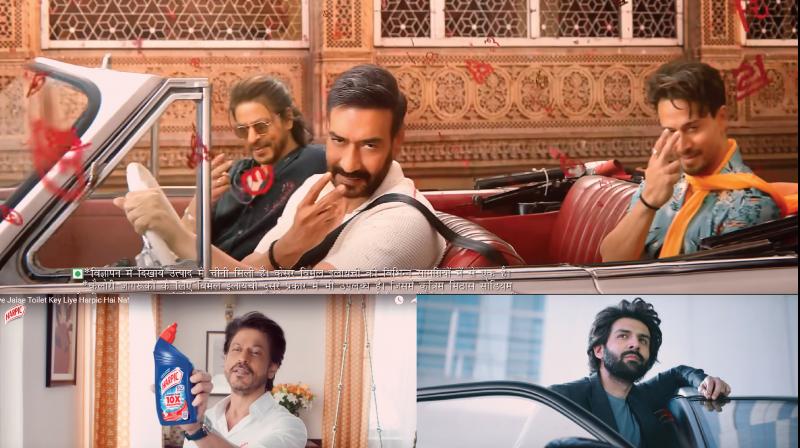
Brands today use celebrities for:
- Long-term brand ambassadorships to build trust and recall
- Campaign-led endorsements for launches or festive bursts
- Film and content integrations, where products appear naturally on screen
- Digital-first collaborations that rely on storytelling rather than hard selling
Each approach serves a different purpose, but all require clarity of intent.
The Risk of Choosing the Wrong Face
While celebrities offer instant visibility, a mismatch can dilute brand equity. Overexposed celebrities, conflicting endorsements, or forced associations can make the partnership feel transactional rather than meaningful. This is why brands today are far more cautious, favouring relevance over reach.
The most effective celebrity-brand relationships are the ones audiences believe — because they feel authentic.
How TAC Approaches Celebrity Fit
At TAC, the approach to celebrity endorsements begins not with the market or even the brand, but with culture. Instead of asking who is trending, the focus is on understanding which celebrity naturally fits into the brand’s world — its values, tone, audience mindset, and cultural context.
By analysing how audiences already perceive a celebrity, the association is built in a way that feels seamless rather than constructed. This ensures the partnership doesn’t just work for the brand, but also feels relevant and believable to the audience, making the endorsement an extension of storytelling rather than a standalone promotion.
Strategy First, Celebrity Second
The most successful celebrity campaigns are rooted in strategy, not impulse. When brands are clear about their narrative and audiences, celebrities stop being mere endorsers and start becoming storytellers for the brand.
In a crowded market, visibility is easy to buy. Credibility is not. And that credibility is built when the right face meets the right brand at the right cultural moment.