Keywords: brand integration in films, product placement strategy, film partnerships
For any brand, it is crucial to stay present in the consumer’s mind and visible in the market. In today’s highly competitive environment, the old saying still holds true — out of sight is out of mind. While reels, short-form videos, and viral digital content play an important role in driving quick visibility, there is one powerful marketing tool from the traditional playbook that continues to deliver long-lasting impact: in-film brand integration.
Often underrated, film integrations have quietly evolved into one of the most effective ways for brands to embed themselves into popular culture.
Beyond Visibility: The Evolution of Product Placement
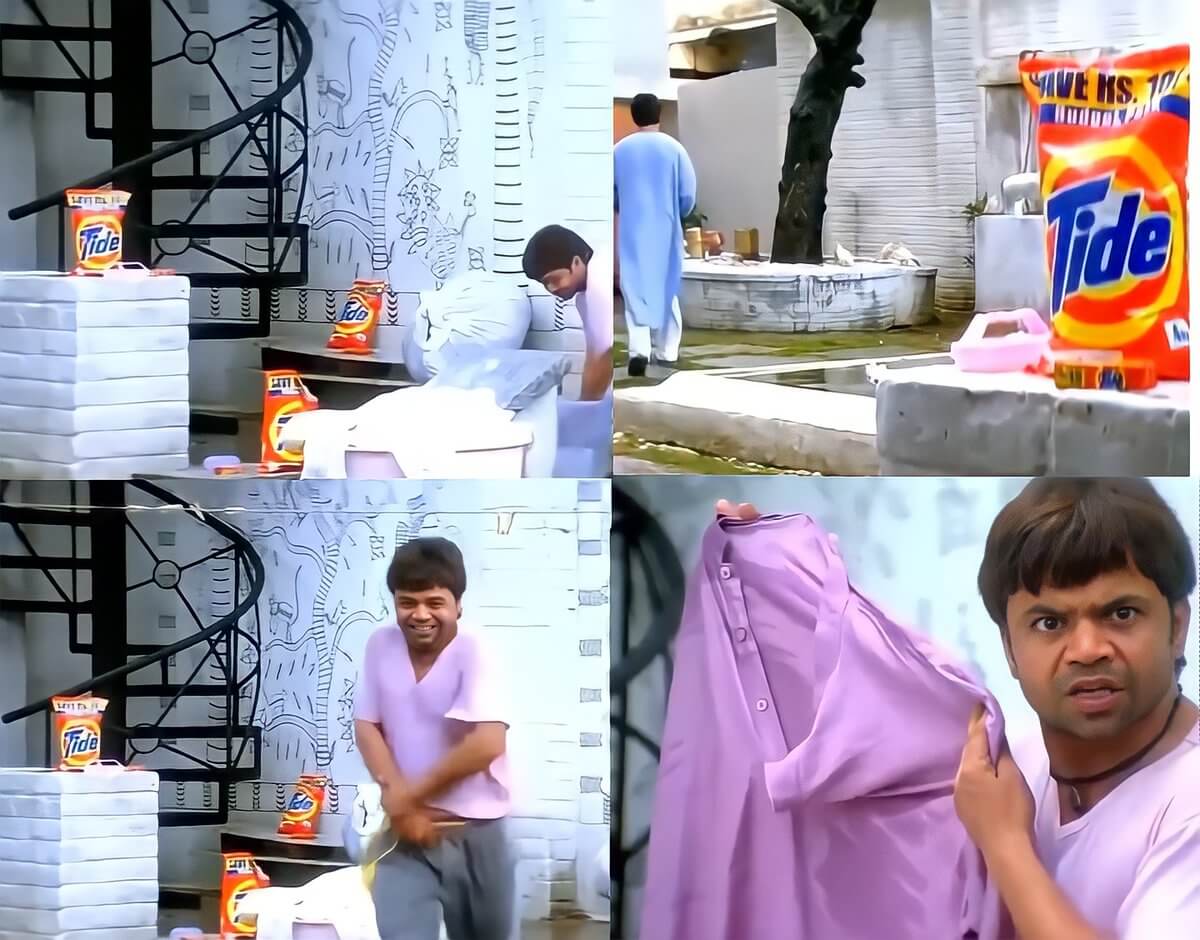
Film branding today is no longer about placing a product in the background of a scene or flashing a logo for a few seconds. Strategic product placement is about context, relevance, and storytelling.
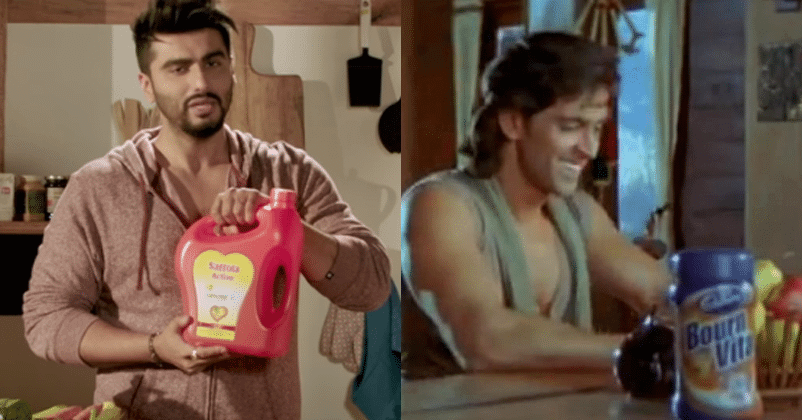
When done right, a brand becomes a natural part of the narrative — something a character uses, mentions, or interacts with in a way that feels authentic. The product is not “inserted” into the film; it belongs there. It supports the scene, enhances realism, and often adds to character building rather than distracting from it.
This shift from visibility-driven placements to story-led brand integration in films is what creates true cultural impact.
Why Film Partnerships Still Work
Films have a unique advantage that very few media formats can replicate. They offer scale, emotion, and longevity. A single integration can live across theatrical releases, OTT platforms, television premieres, clips, memes, and conversations long after the film’s release.
Unlike fleeting digital content, film integrations benefit from repeated viewings and organic recall. When audiences see a trusted character using a product on screen, it builds familiarity and credibility in a way that traditional advertising often struggles to achieve.
Seamless Integration Through Strategic Collaboration
Effective film partnerships require early planning and close collaboration. At TAC, the focus has always been on working closely with production houses, writers, and directors to ensure that brand integrations feel seamless and organic.
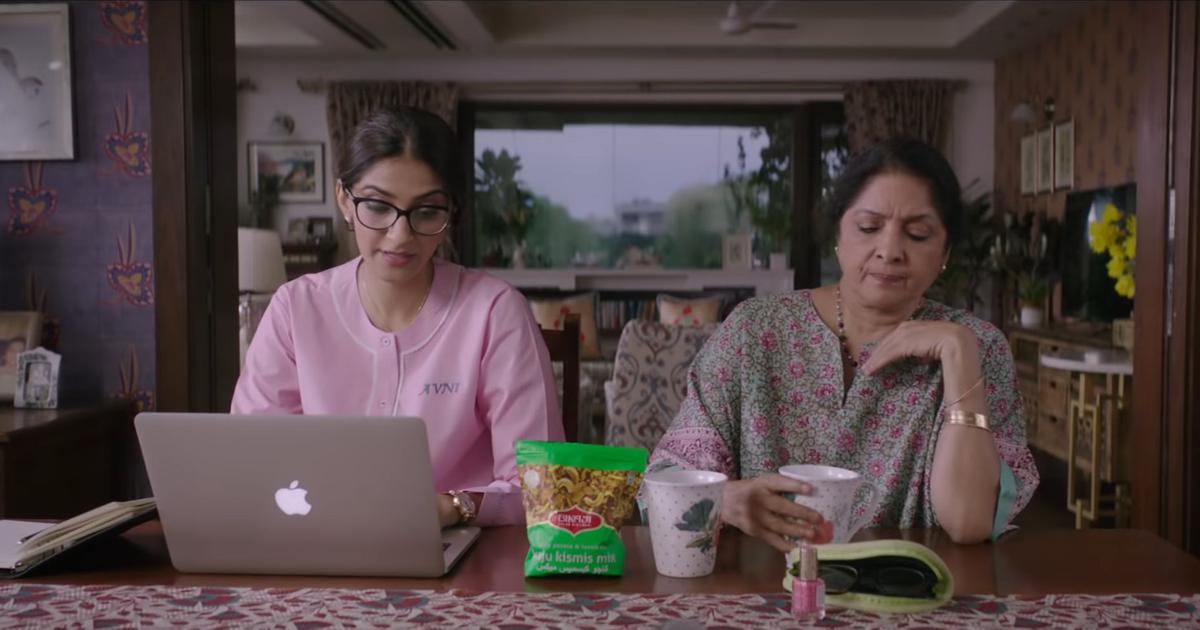
The idea is not to interrupt the storyline but to enhance it — where the product becomes the most natural prop for the scene. Whether it’s a kitchen setup, a travel moment, a workplace interaction, or a casual conversation, the brand fits into the narrative effortlessly.
When a brand aligns with the film’s tone, characters, and setting, it stops feeling like advertising and starts feeling like storytelling.
The Power of Co-Branded Benefits
One of the strongest advantages of film partnerships lies beyond the screen. Strategic product placement often opens the door to co-branded opportunities that extend the brand’s presence across multiple touchpoints.
- Actor byte integrations and promotional mentions
- Co-branded digital content and social media extensions
- On-ground promotions and launch events
- Cross-platform visibility during the film’s marketing cycle
When an actor organically mentions or interacts with a brand as part of the film’s world, it adds an extra layer of credibility and recall — something traditional endorsements often lack.
Creating Cultural Recall, Not Just Exposure
The true success of brand integration in films lies in its ability to create memory. Audiences may forget ads, but they remember moments. A well-placed product associated with a beloved character or a memorable scene stays with viewers far longer than a standard commercial.
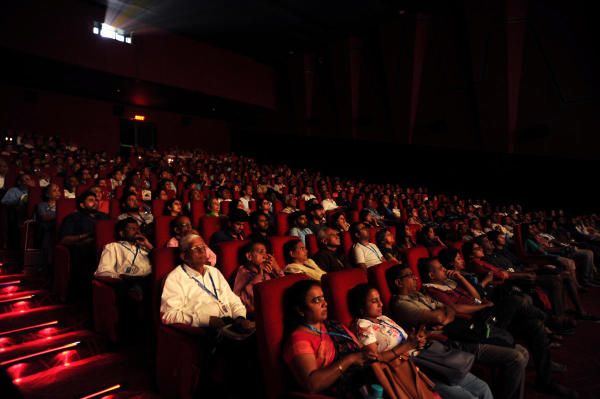
Strategic film integrations allow brands to become part of shared cultural moments — referenced in conversations, recreated in reels, and remembered long after the credits roll.
Looking Ahead
As audiences grow more resistant to overt advertising, subtlety and relevance will define the future of brand communication. Film partnerships, when approached with strategy and sensitivity, offer brands a powerful way to remain visible without being intrusive.
In the long run, it’s not about being seen for a second on screen — it’s about being remembered. And that is where thoughtful, story-first brand integration truly makes its mark.